





Metabolic health
Type 2 diabetes, insulin resistance and abnormal blood lipids.
First & Only Medical Tourism Platform with certification of
American MTQUA in Turkiye since 2017
Updated 16 September 2026
Not one procedure. A clinically considered path.
Understand metabolic and bariatric treatment options, compare how they differ, and begin with a multidisciplinary assessment built around your health and medical needs.
Medical review Prof. Dr. Ömer Özozan Professor of General Surgery, specialising in metabolic and bariatric surgery
Obesity is a chronic, relapsing disease shaped by complex interactions between biology, genetics, behaviour, medicines, health conditions and the environment. Body mass index (BMI) can help screen for risk, but it does not tell the whole story.
A useful assessment also considers waist measurements, weight history, metabolic health, current medicines, eating patterns, sleep, mobility, mental wellbeing and the conditions that matter most to the individual.
Obesity is associated with a higher risk of several lasting health conditions. The pattern and degree of risk differ for every person.

Type 2 diabetes, insulin resistance and abnormal blood lipids.
High blood pressure, cardiovascular disease and stroke risk.
Obstructive sleep apnoea and other breathing difficulties.
Metabolic dysfunction associated steatotic liver disease and reflux.
Joint loading, osteoarthritis and reduced physical function.
Fertility, mental wellbeing and the social effects of weight stigma.

The right level of care depends on medical history, previous treatment, goals, risk, preferences and the ability to maintain continued care.
Individualised nutrition, physical activity, sleep and behavioural care can support health before and after a procedure.
A physician may investigate contributing conditions, treat related disease and consider prescription medicines when clinically appropriate.
A temporary device placed and removed endoscopically. It requires a defined nutrition, behaviour and continued care programme.
Procedures such as sleeve gastrectomy and gastric bypass change anatomy and metabolism and require lifelong clinical and nutritional care.
No single procedure is best for everyone. Reflux, diabetes, previous abdominal surgery, eating patterns, nutritional risk and access to continued care can all influence the decision.

Most of the stomach is removed to create a smaller, tubular stomach. The intestines are not rerouted.

A small stomach pouch is connected to a lower section of the small intestine, changing the route of food and metabolic signalling.

A temporary balloon is placed in the stomach through the mouth and removed according to the device and treatment plan.
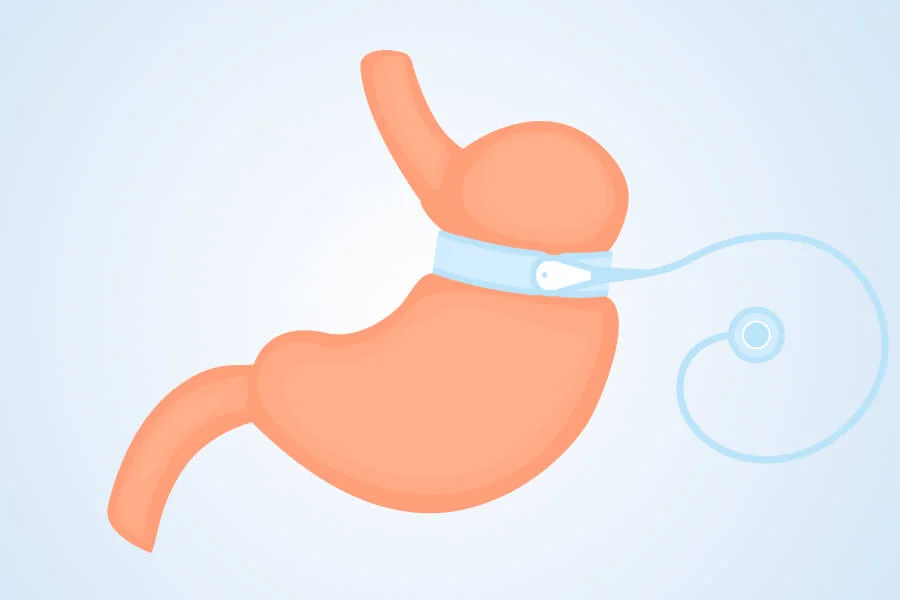
An adjustable band is surgically placed around the upper stomach. It is used less often today than sleeve or bypass procedures.
BMI is calculated as weight in kilograms divided by height in metres squared. For adults, it is a screening measure. It is not a diagnosis or a standalone instruction to undergo treatment.
Current international guidance supports evaluation for metabolic and bariatric surgery at a range of BMI levels depending on metabolic disease, previous treatment and individual risk. Thresholds and access criteria may also differ between countries and populations.
Enter your height and weight for an adult BMI screening estimate.
BMI category
This is an adult screening estimate, not a diagnosis or treatment recommendation. A clinician should interpret it alongside your health history, body composition and other factors.
BMI = weight (kg) ÷ height² (m²)
| BMI | WHO category |
|---|---|
| Below 18.5 | Underweight |
| 18.5 to 24.9 | Healthy weight range |
| 25.0 to 29.9 | Overweight |
| 30.0 to 34.9 | Obesity class I |
| 35.0 to 39.9 | Obesity class II |
| 40.0 and above | Obesity class III |
These adult categories are a general reference. They are not treatment recommendations.
The exact team depends on the case. These professionals may contribute before treatment, during hospital care and throughout continued care.
Assesses surgical options, explains benefits and risks, performs surgery and leads surgical care.
Reviews metabolic health, related conditions, medicines and nonsurgical options.
Assesses nutrition, prepares the eating plan and supports protein, fluid and micronutrient needs.
Supports readiness, eating behaviour, expectations, coping and longer term adjustment when needed.
Evaluates operative risk and plans safe anaesthesia, pain control, mobility and hospital recovery.
Supports education, wound care, medication, mobility and continued care. Other specialties join as required.
A robust international care plan connects preparation, hospital care and continued care at home before travel is confirmed.
Begin with your health history, priorities, previous treatment and available medical records.
The relevant medical team determines what further tests or specialist opinions are needed.
Review the rationale, alternatives, risks, expected continued care, provider and complete terms.
Complete preoperative testing, medicine instructions, nutrition preparation and travel planning.
Hospital care, mobilisation, nutrition progression and discharge criteria are directed clinically.
Leave with a written care plan, warning signs, prescriptions, nutritional guidance and handover needs.
Every intervention has potential benefits, limitations and risks. These vary by procedure and person and should be explained by the treating clinician as part of informed consent.
Ask who will perform the procedure, where it will take place, why it is recommended, what alternatives exist and who manages complications.
Confirm diet progression, medicines, supplements, blood tests, activity, wound care, pregnancy guidance and the care schedule.
Travel only when the treating team considers it appropriate. The required stay depends on the procedure, recovery and individual risk.
Seek urgent medical advice for severe or worsening pain, breathing difficulty, chest pain, persistent vomiting, high fever, fainting, heavy bleeding or other symptoms identified by your clinical team.
These answers are general. A clinician who has reviewed your health information must advise on individual suitability.
There is no universally best procedure. The choice can depend on BMI, metabolic health, reflux, previous surgery, eating patterns, nutritional risk, preferences and capacity for continued care.
No. A gastric balloon is a temporary device usually placed and removed endoscopically through the mouth. It does not involve surgical rerouting, but it still has risks and requires medical oversight and structured care.
No. An adjustable gastric band is placed surgically. It generally requires repeated adjustments and may later need removal or revision. It is performed less commonly today than sleeve gastrectomy or gastric bypass.
No. BMI is only one part of assessment. Health conditions, weight history, previous treatment, mental and nutritional readiness, operative risk and capacity for continued care also matter.
There is no safe universal answer. The treating team should define the minimum stay after considering the procedure, tests, recovery, complication risk and fitness to travel.
Lifelong follow up is essential after bariatric surgery. The exact supplement and blood test plan depends on the procedure and individual findings. Follow the plan prescribed by the treating team.

Medical reviewer
Professor of General Surgery specialising in metabolic and bariatric surgery.
View professional profileThis page is educational and does not replace personalised medical advice. Its core definitions and treatment distinctions are aligned with:
Share what matters, what you have already tried and any medical information you have. A Patient Coordinator can help organise the appropriate next step for clinical review.
Contact Us Treatments are provided by authorised healthcare institutions. Suitability and clinical decisions are determined by licensed healthcare professionals.